
Abbott has secured US Food and Drug Administration De Novo authorisation for Libre Duo 10 Day, a dual glucose-ketone sensor. The wearable tracks glucose and rising ketones from a single sensor, giving people with diabetes earlier warning of diabetic ketoacidosis.
What the dual glucose-ketone sensor measures
The device continuously monitors glucose while detecting ketone levels that can rise ahead of diabetic ketoacidosis, known as DKA. Abbott says ketone readings are captured in the background rather than through separate testing.
Authorisation covers people aged two and older with Type 1 or Type 2 diabetes. It applies to those using insulin or glucose-lowering medicines such as SGLT2 inhibitors, a group at recognised risk of DKA.
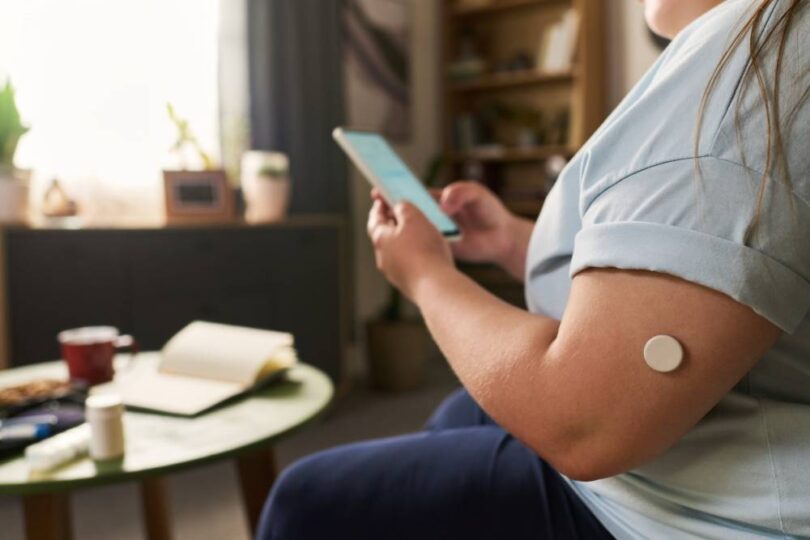
The sensor is worn for up to 10 days. In addition, it connects to Abbott’s Libre app and the LibreView and LibreLinkUp platforms, and has been designed for compatibility with automated insulin delivery systems.
Why ketone monitoring matters in diabetes care
DKA develops when the body breaks down fat for fuel and produces ketones faster than it can clear them. It can progress quickly and requires emergency treatment.
Abbott states that hospital admissions for DKA have risen by 55% over the past decade. Importantly, SGLT2 inhibitors carry a documented risk of DKA that can occur at near-normal glucose levels, which makes glucose readings alone an incomplete signal.
Jennifer Sherr, paediatric endocrinologist at Yale School of Medicine, said ketone data “is collected in the background, helping provide earlier awareness of rising ketone levels”.
The announcement follows sustained development activity in continuous glucose monitoring, including redesigned sensor hardware from other manufacturers.
A new regulatory standard for combined monitoring
The FDA granted the product through a De Novo classification request. That pathway applies to novel devices with no legally marketed predicate device.
A successful De Novo creates a new device classification. As a result, later products can reference it as a predicate through the standard 510(k) route.
Abbott says Libre Duo 10 Day meets the integrated continuous glucose monitoring standard and a new integrated continuous glucose and ketone monitoring standard. However, authorisation permits marketing; it is not in itself evidence of improved clinical outcomes.
Chris Scoggins, executive vice president of Abbott’s diabetes care business, said the technology “provides a more complete picture to help people with diabetes make more informed decisions”.
What happens next for the dual glucose-ketone sensor
Abbott has said it plans to launch the sensor in the United States later in 2026. The company has not published pricing, reimbursement arrangements or a timetable for other markets.
Regulatory decisions outside the United States have not been announced. Meanwhile, the practical test will be whether payers and clinical guidelines come to treat continuous ketone data as standard for higher-risk patients.
Abbott describes the product as the world’s first technology of its kind. That claim rests on the new monitoring standard created by the authorisation rather than on comparative clinical evidence against other devices. Full details are set out in the Abbott announcement.