

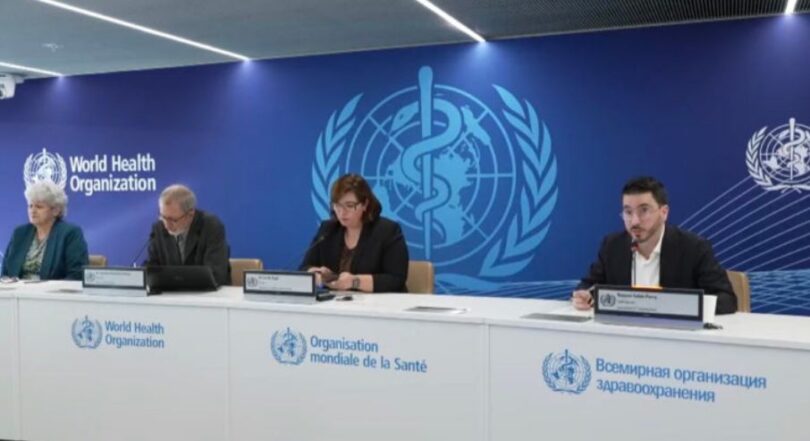
The World Health Organization has published new childhood and adolescent obesity guidelines, setting out evidence-based approaches to managing obesity through primary healthcare, including behavioural interventions, pharmacotherapy and, where appropriate, bariatric surgery.
The new guidance comprises separate recommendations for children and adolescents. It aims to improve access to integrated, people-centred care for young people already living with obesity.
According to WHO, an estimated 170 million children and adolescents aged 5–19 were living with obesity in 2024.
WHO childhood and adolescent obesity guidelines expand treatment approach
The WHO guideline for children covers those aged from 29 days to under 10 years. A separate guideline for adolescents covers people aged 10–19.
Both guidelines use a primary healthcare approach and place people-centred care at the centre of obesity management.
WHO says treatment should consider the needs of children and adolescents and their caregivers, rather than focusing solely on body weight.
Guidance covers lifestyle interventions and pharmacotherapy
The recommendations cover dietary interventions, physical activity, sedentary behaviour and sleep. They also address behavioural interventions and multimodal approaches to obesity management.
Importantly, WHO also considers digital health interventions and pharmacotherapy within its recommendations.
In addition, the guidelines examine bariatric surgery and other interventions where clinically appropriate.
Recommendations were developed using systematic evidence reviews. WHO also considered potential benefits and harms, equity, feasibility, acceptability, costs and the preferences of children, adolescents and caregivers.
Primary healthcare placed at centre of obesity management
The guidelines are intended to help health systems establish appropriate care pathways through primary healthcare, with specialist services available where required.
This reflects a shift towards treating obesity as a complex chronic disease requiring ongoing management rather than addressing body weight in isolation.
The European Association for the Study of Obesity (EASO), which participated in the WHO launch, said the approach supports person-centred care and access to evidence-based management according to individual needs.
Guidelines form part of life-course obesity strategy
The new childhood and adolescent obesity guidelines complement existing WHO recommendations for adults.
As a result, WHO now has recommendations addressing obesity management across a broader life course, from childhood and adolescence into adulthood.
The organisation said the new guidelines address an important gap in global obesity care guidance as prevalence among younger populations continues to increase.
In 2024, around 400 million children and adolescents aged 5–19 were estimated to be overweight. Of these, approximately 170 million were living with obesity.
WHO reports that obesity prevalence among this age group has quadrupled since 1990.
Further information is available from the World Health Organization.