
The Lifebit Impact Fund is offering health organisations access to secure research infrastructure and technical support, aiming to help projects in low- and middle-income countries overcome barriers to funding and participation in genomic research.
The programme is aimed at health non-profits, public-sector bodies and research organisations that already hold valuable health data but lack the infrastructure or initial funding needed to demonstrate its research potential.
Selected organisations will receive between three and 12 months of free access to Lifebit’s Trusted Research Environment (TRE), alongside technical support to prepare data and establish analytical workflows.
Lifebit Impact Fund addresses research infrastructure gap
The fund follows concerns over the concentration of genomic studies and clinical trials in higher-income countries.
According to the press release, a new Lancet Oncology Commission found that of nearly 48,000 registered biomarker-based cancer trial locations worldwide between 1999 and 2025, just 2% were in low- and middle-income countries (LMICs), compared with 81% in high-income countries.
The Commission also highlights the consequences of genomic reference datasets being disproportionately based on people of European ancestry, which can affect the interpretation and clinical relevance of genetic findings for other populations.
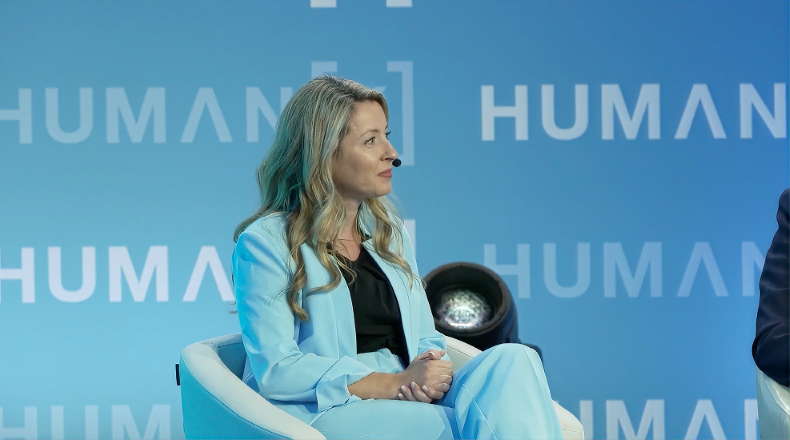
Dr Maria Dunford, CEO and co-founder of Lifebit, said: “Securing funding for health research is often a chicken-and-egg problem, especially, though not only, in lower-income countries. Funders want to see what a programme can deliver before they back it. Institutions with secure computing environments, well-organised data and analysts to work with it can show results, and those results attract funding.
“Organisations without that infrastructure, such as those in LMICs, struggle to produce pilot results, so they can’t win the funding to build it. Many already hold valuable, consented data, including trial data, registries and genomic patient cohorts. What they lack is the initial funding and technology to get started. That’s the gap our Impact Fund is designed to fill.”
Secure health data remains within organisations’ own environments
Recipients will receive access to a Trusted Research Environment where approved researchers can analyse sensitive health information without moving the underlying data outside the organisation’s own cloud environment.
The programme also includes support to standardise data, develop analytical workflows and connect research sites.
At the end of the funded period, participating organisations retain the resulting research outputs, harmonised data and workflows. Lifebit says there is no requirement to continue using its platform once the award ends.
Full eligibility and application details are available through the official Lifebit Impact Fund.
Lifebit Impact Fund focuses on participation in genomic research
The initiative comes amid wider efforts to improve the diversity of genomic datasets and increase access to large-scale biomedical research infrastructure.
Under-representation can limit the usefulness of genomic research across different populations and make it harder for researchers in lower-income settings to contribute local datasets to international studies.
Life Sciences Global News has also reported on the expansion of large-scale genomic datasets, including initiatives combining genomic, clinical and proteomic information to support disease research and drug development.
Applications open until December 2026
Applications to the Lifebit Impact Fund are open until 31 December 2026 and will be reviewed on a rolling basis.
Lifebit says applicants should receive a decision within 14 business days. There is no cost to apply.
Dunford added: “Too many genomics initiatives depend on short-term funding, and LMIC organisations have to compete harder for it with fewer results to show. Our mission is to make sure all health data that could save lives gets used. Every dataset left sitting idle represents patients whose illnesses could be better understood and treated. Funders, governments and industry all have a part to play in helping these organisations take that first step, and this fund is ours.”
Applications and further information are available at Lifebit.
Source: Lifebit