

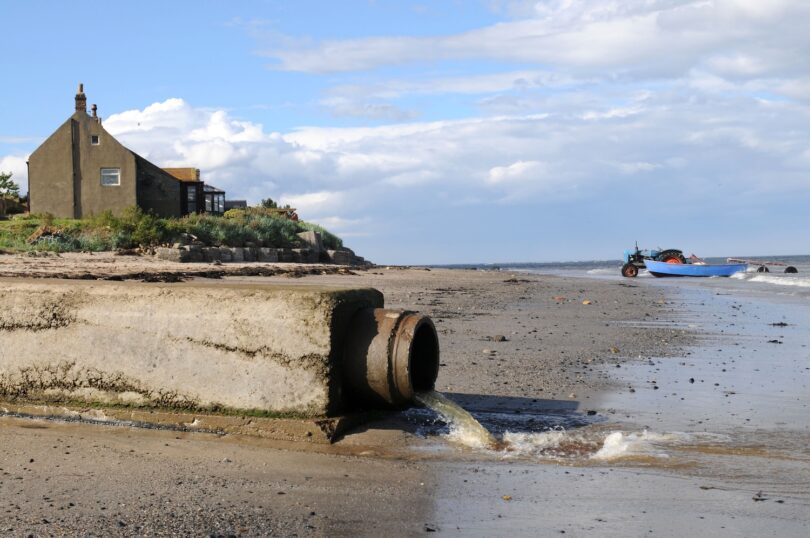
Waterborne disease is emerging as a significant and growing public health threat across both developed and developing nations, driven by increasing water contamination, ageing infrastructure and climate-related pressures.
Hydrachem, a specialist in water purification and hygiene solutions, is calling for greater global action to address water safety risks, warning that communities worldwide are being exposed to contaminated water sources with serious health consequences.
UK sewage discharges highlight infrastructure pressures
In England, recent data from the Environment Agency shows more than 450,000 recorded sewage discharges from storm overflows in 2024, equating to an average of approximately 31.8 spills per overflow. These discharges repeatedly expose rivers, coastal waters and nearby communities to contamination, affecting public health, livelihoods and the environment.
The figure remains substantially higher than the Government’s long-term target of no more than an average of 10 spills per overflow per year by 2050, as outlined in its Storm Overflows Discharge Reduction Plan. Increasing rainfall intensity and ageing wastewater infrastructure are placing additional strain on systems that were not designed for current climate conditions.
Global access to safe water remains out of reach for billions
The risks are even more acute internationally. According to global health data, more than 2 billion people worldwide still lack access to safely managed drinking water, with waterborne diseases responsible for an estimated 1.4 million deaths each year.
In many low-income regions, contaminated water sources contribute directly to outbreaks of cholera, typhoid and other faecal-oral diseases. Children are particularly vulnerable, facing dehydration and life-threatening illness simply due to a lack of safe water and sanitation.
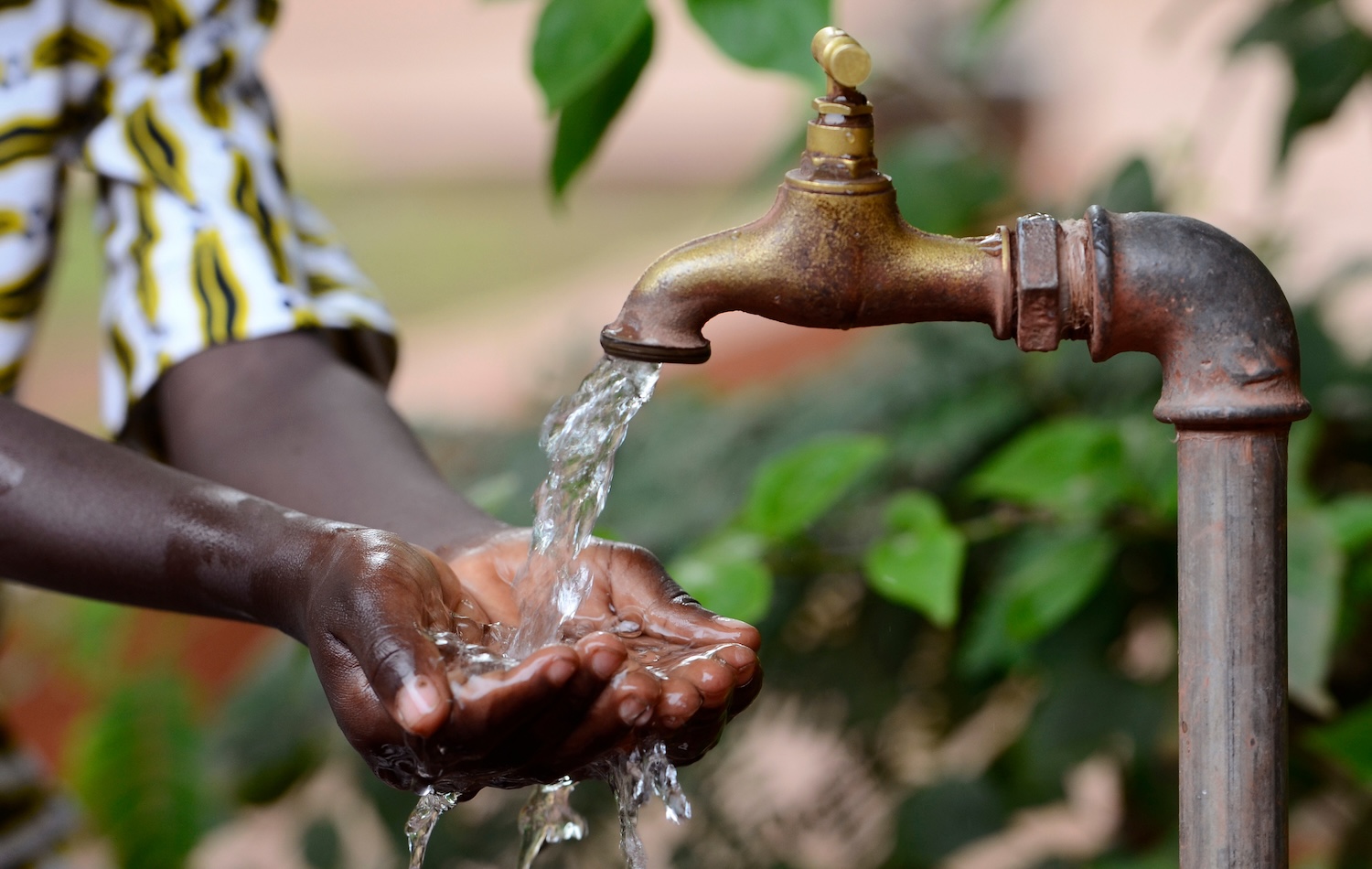
Access to safe drinking water remains critical to preventing waterborne disease worldwide.
Flooding accelerates waterborne disease outbreaks
Recent outbreaks underline the role of extreme weather in accelerating contamination risks. In Eastern and Southern Africa, more than 178,000 cholera cases were reported across 16 countries between January 2024 and March 2025, with outbreaks linked to inadequate water, sanitation and hygiene infrastructure.
Major flooding events have also been associated with surges in typhoid and other waterborne diseases in countries including Pakistan, India and Bangladesh, as floodwaters overwhelm sanitation systems and contaminate drinking water supplies.
Water safety requires preventative action and rapid response
Nicolas Barbieri, Chief Commercial Officer at Hydrachem, said that the challenges facing water safety are increasingly interconnected:
“We are witnessing a combination of crises that threaten water safety globally. Whether it is ageing infrastructure in the UK struggling to cope with increased rainfall, or communities in flood-affected regions facing immediate contamination risks, the fundamental challenge is the same – ensuring access to safe, clean water.”
Hydrachem works with aid agencies, governments and healthcare providers to support emergency water treatment and hygiene interventions. Its OASIS water purification tablets are used internationally to make contaminated water microbiologically safe to drink in emergency situations, remote communities and areas affected by infrastructure failure.
Preventing outbreaks before they escalate
“Everyone deserves protection from invisible threats in the water they drink,” Barbieri added. “Whether you are a local authority managing an outbreak or an aid agency responding to a flood, rapid and effective water purification at the point of use is essential.”
With more than 50 years of experience in water purification and infection control, Hydrachem is calling for increased awareness, preventative investment and wider access to field-tested hygiene solutions to reduce the risk of waterborne disease outbreaks escalating into broader public health crises.
“Stopping waterborne disease is not just about emergency response,” Barbieri concluded. “It requires vigilance, resilient infrastructure and practical solutions that protect communities before contamination becomes a crisis.”
More Life Science Policy, Ethics and Regulation news here.